
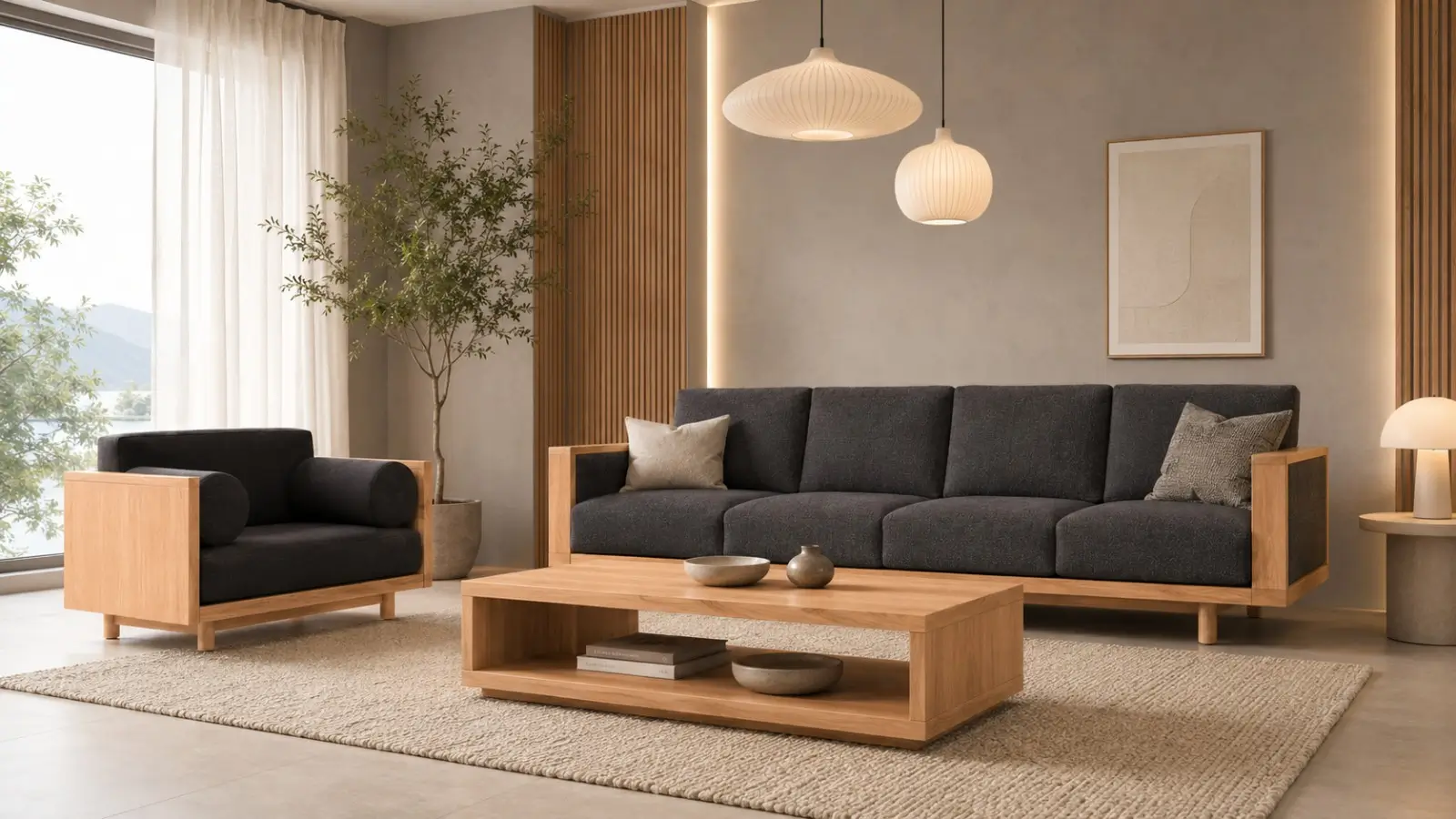
The living room is where everyday comfort meets personal expression. It is a place for relaxing, entertaining guests, spending time with family, and enjoying quiet moments at home. A successful living room should feel inviting, visually balanced, and practical for the way you live.
From choosing the right sofa to arranging lighting, storage, and decorative details, these living room design ideas will help you create a space that feels sophisticated, comfortable, and distinctly yours.
Begin with the way the room will be used, then build the layout around comfort, clear movement, and a strong visual anchor.
Before selecting furniture, consider how the living room will be used. A formal reception room may require elegant seating and a symmetrical layout, while a family living room needs durable materials, generous storage, and comfortable places to relax.
Understanding the room's priorities will help you choose suitable furniture and create a layout that works naturally.
The sofa is usually the largest and most influential piece of furniture in the living room. Its size, shape, and position establish the foundation of the entire arrangement.
Choose a sofa that suits the room's proportions without obstructing doors, windows, or walkways. Smaller rooms often benefit from a two-seater or apartment-sized sectional, while larger spaces can comfortably accommodate generous sectionals, paired sofas, or a combination of sofas and accent chairs.
Position the sofa toward the room's primary focal point, whether it is a television, fireplace, feature wall, window view, or coffee table.
A well-planned furniture arrangement encourages conversation while allowing comfortable movement throughout the room. Seating should feel connected rather than pushed against every wall.
In larger rooms, create separate zones such as a main seating area and a quiet reading corner.
Colour establishes the atmosphere of the living room. Warm neutrals such as ivory, beige, taupe, and soft grey create a timeless foundation, while deeper shades add warmth and personality.
Choose one dominant colour, one supporting tone, and one accent colour. Repeat the accent throughout cushions, artwork, decorative accessories, or an occasional chair to create a cohesive design.
A coffee table should comfortably relate to both the sofa and surrounding seating. Ideally, it should be approximately the same height as the sofa seat or slightly lower.
Its length should generally be around one-half to two-thirds of the sofa's width to maintain balanced proportions.
A well-sized rug visually connects the furniture and helps complete the seating arrangement. Whenever possible, position at least the front legs of the sofa and chairs on the rug.
Choose durable, easy-to-maintain rugs that suit the room's level of everyday use.
Living rooms benefit from multiple lighting sources that support different activities throughout the day.
Warm white lighting creates a welcoming atmosphere, while dimmers allow the mood to be adjusted for entertaining or relaxing.
Ceiling lights, chandeliers, recessed lighting, or concealed LED strips provide general illumination.
Floor lamps and table lamps provide focused lighting for reading, hobbies, and everyday activities.
Wall lights, picture lights, and illuminated shelving highlight artwork, architectural features, and decorative textures.
Texture prevents neutral interiors from feeling flat. Layer soft fabrics, natural materials, and contrasting finishes to create warmth and visual interest.
Good storage helps keep the living room organised while allowing decorative items to remain visible.
Use concealed storage for electronics, paperwork, and everyday clutter, while displaying books, artwork, and plants on open shelving.
Every living room benefits from one strong focal point, whether it is a television, fireplace, feature wall, artwork, statement furniture, or a beautiful window view.
Arrange furniture to support this focal point and avoid competing visual features.
Accent chairs provide additional seating while introducing colour, texture, or sculptural form. Position them so they remain connected to the main seating arrangement without interrupting movement.
Curtains add softness, privacy, and light control. Mount curtain tracks close to the ceiling to create the illusion of additional height and extend them beyond the window frame to maximise daylight.
Layer sheer curtains with heavier drapes for greater flexibility throughout the day.
Artwork, mirrors, and decorative wall pieces add personality while reinforcing the room's design. Choose artwork that suits the scale of the furniture beneath it.
Large artwork creates a striking focal point, while mirrors help reflect natural light and make smaller rooms feel more spacious.
Coffee tables, consoles, and shelving should feel thoughtfully styled rather than cluttered. Group decorative objects together and leave some empty space for visual balance.
Plants and natural materials introduce freshness, softness, and colour. Choose indoor plants suited to the available natural light and your preferred maintenance level.
A tall plant softens empty corners, while smaller plants enhance shelves, consoles, and side tables.
A beautiful living room should also perform well every day. Choose materials that suit your household, lifestyle, and maintenance preferences.
Homes with children or pets may benefit from durable upholstery, removable cushion covers, stain-resistant fabrics, and furniture with rounded edges.